
Key Features of a High-Performance Business Website

In today’s highly competitive digital landscape, a business website is no longer just a static online presence—it is a dynamic platform that represents your brand, communicates your value, and drives customer engagement. A high-performance website acts as the backbone of your digital strategy, enabling businesses to attract, engage, and convert visitors into loyal customers.
Modern users expect websites to load instantly, function smoothly across devices, and provide meaningful, personalized experiences. If a website fails to meet these expectations, users are more likely to leave and turn to competitors. Therefore, performance, usability, and reliability are critical factors in building a successful online presence.
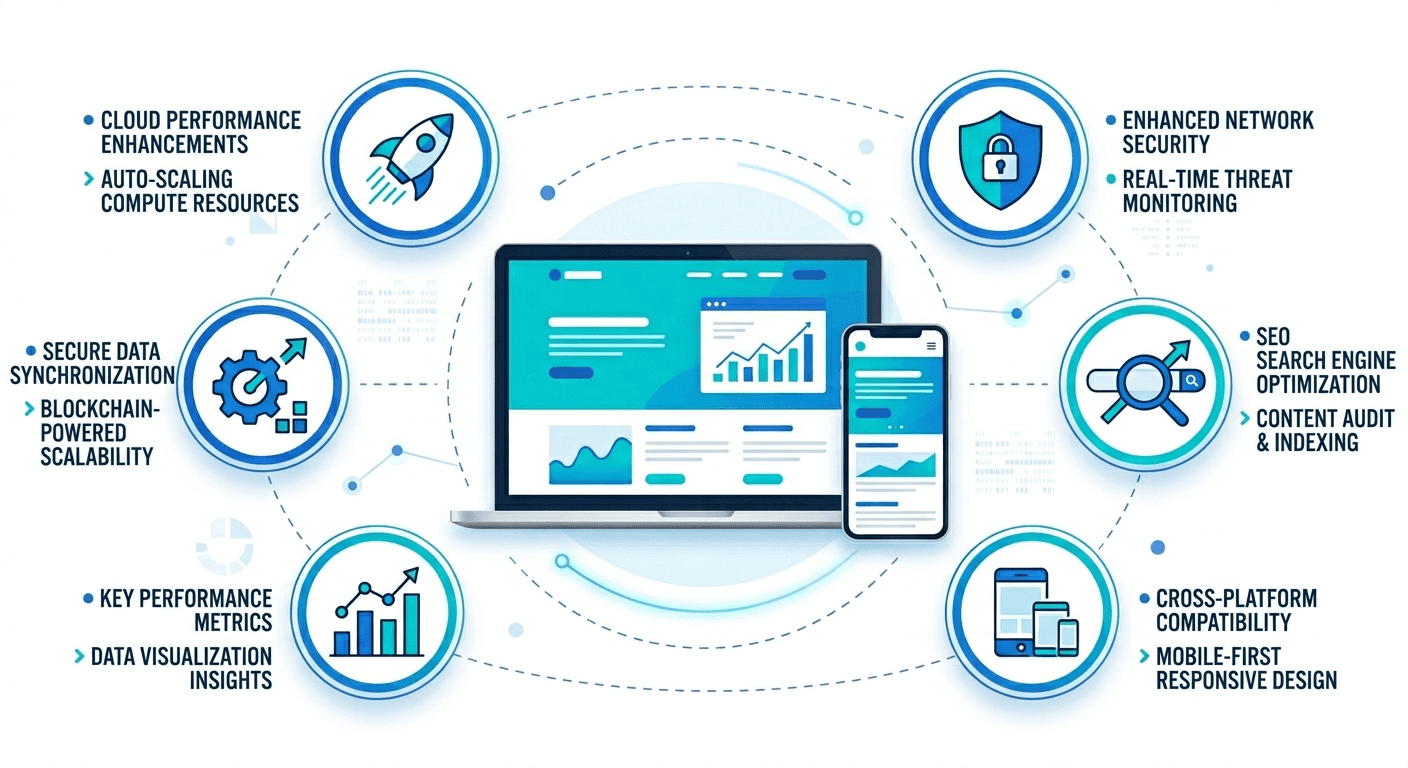
A well-optimized business website integrates speed optimization, mobile responsiveness, search engine visibility, intuitive design, and strong security measures. Additionally, with the rise of advanced technologies such as artificial intelligence, automation, and cloud computing, websites are becoming smarter and more efficient than ever before.
Investing in a high-performance website not only enhances user satisfaction but also improves search rankings, increases conversion rates, and builds long-term trust. It ensures your business stays competitive, scalable, and ready to adapt to future technological advancements.
Fast Loading Speed
Website loading speed plays a critical role in user experience and overall performance. A slow website can frustrate users and lead to higher bounce rates, negatively impacting conversions and search engine rankings. Optimizing images, enabling browser caching, reducing server response time, and using Content Delivery Networks (CDNs) are essential techniques to ensure fast loading. A high-speed website not only keeps users engaged but also improves SEO performance and overall customer satisfaction.
Mobile-Responsive Design
A mobile-responsive design ensures that your website adapts seamlessly to different screen sizes, including smartphones, tablets, and desktops. With the majority of users accessing websites via mobile devices, responsiveness is no longer optional—it is a necessity. A responsive design improves usability, enhances navigation, and ensures content is easily readable without zooming or scrolling issues. It also plays a crucial role in search engine rankings, as search engines prioritize mobile-friendly websites.
SEO Optimization
Search Engine Optimization (SEO) is essential for improving the visibility of your website on search engines. A well-optimized website includes proper keyword usage, meta tags, structured data, optimized images, and high-quality content. Technical SEO aspects such as site speed, mobile responsiveness, and clean URL structures further enhance performance. Effective SEO strategies drive organic traffic, increase brand visibility, and help your business reach the right audience.
Modern UI/UX Design
A modern UI/UX design focuses on creating a visually appealing and user-friendly interface that enhances the overall user experience. Clean layouts, intuitive navigation, consistent design elements, and engaging visuals help users interact with the website effortlessly. Good design reduces friction, improves usability, and encourages users to explore more pages. A well-designed website builds trust, strengthens brand identity, and increases the likelihood of conversions.
Website Security
Website security is crucial for protecting sensitive user data and maintaining trust. Implementing SSL certificates ensures secure data transmission, while strong authentication mechanisms prevent unauthorized access. Regular security updates, firewall protection, and data encryption help safeguard against cyber threats. A secure website not only protects users but also enhances credibility and improves search engine rankings.
Scalability and Performance
Scalability ensures that your website can handle increased traffic and growing business demands without compromising performance. By using cloud infrastructure, optimized databases, and efficient backend systems, businesses can ensure consistent performance even during peak traffic periods. A scalable website supports long-term growth and allows businesses to expand their digital capabilities seamlessly.
Analytics and Tracking
Analytics and tracking tools provide valuable insights into user behavior, website performance, and conversion rates. Tools like dashboards and tracking systems help businesses understand how users interact with their website, identify bottlenecks, and optimize strategies accordingly. Data-driven decision-making enables continuous improvement and enhances overall website effectiveness.
AI and Automation Integration
Artificial Intelligence (AI) and automation play a significant role in modern websites by enhancing user experience and operational efficiency. AI-powered chatbots provide instant customer support, while personalization engines deliver tailored content based on user behavior. Automation tools streamline processes such as email marketing, lead generation, and customer engagement, making websites more intelligent and efficient.
Conversion Optimization
Conversion optimization focuses on turning website visitors into customers or leads. This involves designing clear call-to-action (CTA) buttons, optimizing landing pages, improving page layouts, and reducing friction in the user journey. A well-optimized website guides users toward desired actions, increasing conversion rates and overall business success.
Cross-Browser Compatibility
Cross-browser compatibility ensures that your website functions consistently across all major browsers such as Chrome, Firefox, Safari, and Edge. Differences in browser rendering can affect layout and functionality, so testing and optimization are essential. A consistent experience across browsers improves accessibility and ensures all users can interact with your website without issues.
Regular Maintenance
Regular website maintenance is essential to keep your website updated, secure, and performing efficiently. This includes updating content, fixing bugs, optimizing performance, and ensuring compatibility with the latest technologies. Continuous maintenance helps prevent issues, improves user experience, and keeps your website competitive in the long run.
Third-Party Integrations
- CRM Integration: CRM integration helps businesses manage customer relationships effectively by organizing data, tracking interactions, and improving communication. It enables better customer insights and enhances overall business efficiency.
- Payment Gateways: Payment gateway integration allows secure and seamless online transactions. It supports multiple payment methods, ensures data security, and enhances user trust during the checkout process.
- Email Marketing Tools: Email marketing tools enable businesses to automate campaigns, send personalized messages, and engage with customers effectively. They play a key role in nurturing leads and increasing retention.
- API Integrations: API integrations connect your website with external services, enabling advanced functionality and seamless data exchange. This enhances the overall capabilities and flexibility of your website.
Conclusion
A high-performance business website is a combination of speed, design, security, scalability, and advanced functionality. By focusing on these essential features, businesses can deliver exceptional user experiences, build trust, and achieve sustainable growth. Investing in a well-optimized website ensures long-term success and keeps your business ahead in the digital landscape.